At Armstrong, we develop and manufacture printed electronics circuits and sensors. With over a decade of experience, we are proud to offer our customers superior quality products that are designed to meet the most rigorous requirements and provide superior performance in terms of longevity, durability, and reliability.
Whether you’re looking for simple or complex designs, our team can work with you to find the perfect solution for your project. With our fast fulfilment times and customisable options, Armstrong is the perfect choice for any sized business.
Our Capabilities
Armstrong provides a wide range of services related to functional printing from development of printed circuits to assembly of electronic components. Our process capabilities include:
Automated industrial screen printing lines
Semi-automated SMT production line
Precision die-cutting
Lamination and coating
Custom assembly, including membrane keypad and LED assembly
At Armstrong, we pride ourselves on our ability to develop custom functional printing solutions for a variety of industries. Our team of experienced engineers will work closely with our customers to ensure that the solutions developed meet the specific needs of their applications. Our customers trust us to provide the best possible solution for their needs, and our track record shows that we are competent and reliable. Some of the applications include:
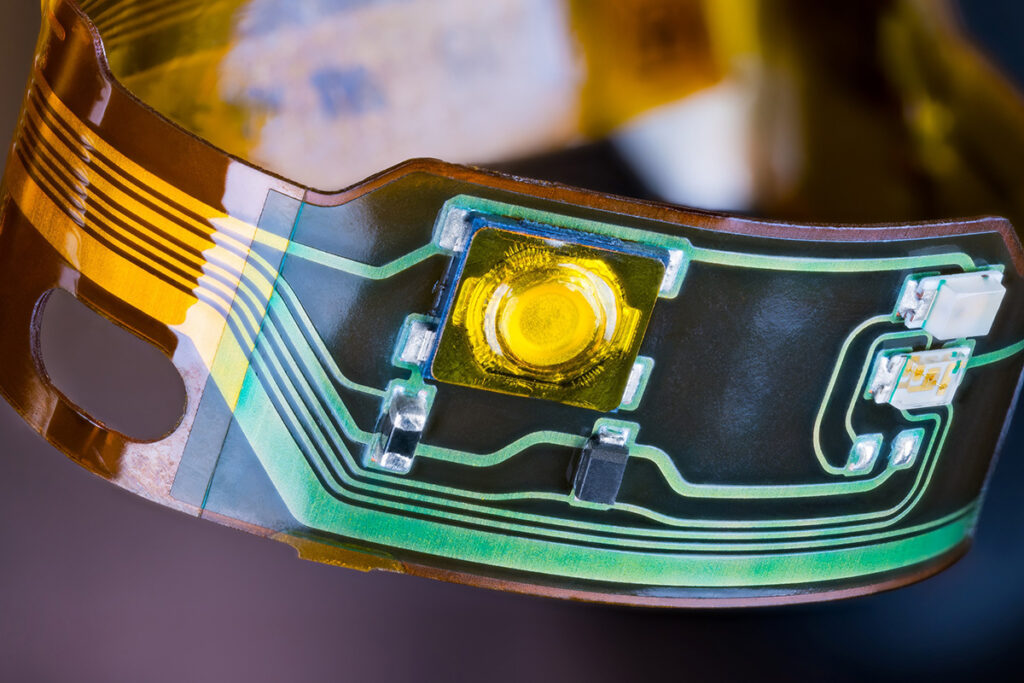
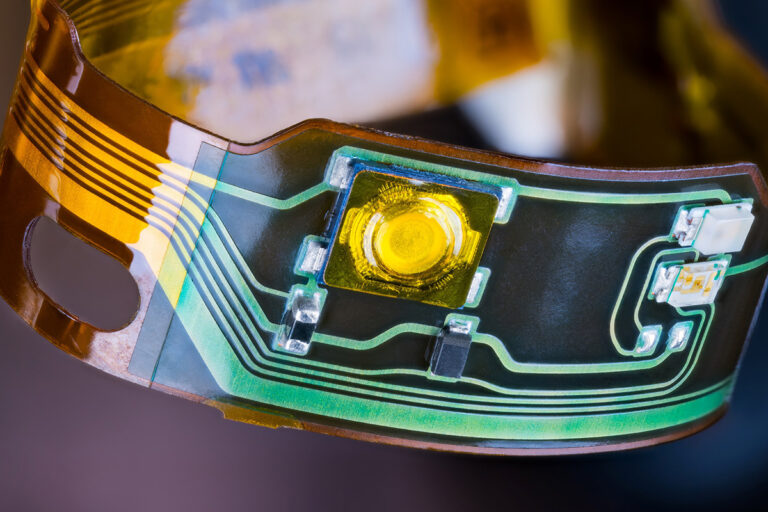
FLEXIBLE PRINTED CIRCUIT
The flexible printed circuit is produced on a thin insulating polymer film with a pattern of conductive traces printed onto the substrate. The flexible structure makes it possible to mount the printed circuit on any curved organic shaped surfaces.
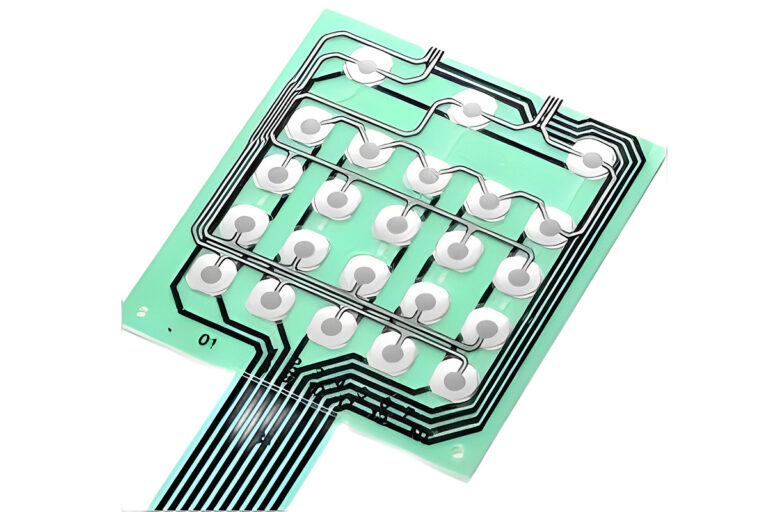
MEMBRANE SWITCHES
A membrane switch is a user interface device that is constructed of flexible layers over a printed circuit. It is typically used as a switch to turn a device on or off. The construction of a basic membrane switch generally include a membrane overlay, spacer, printer circuit, rear adhesive, and tail filler.
FLEXIBLE PRINTED SENSORS
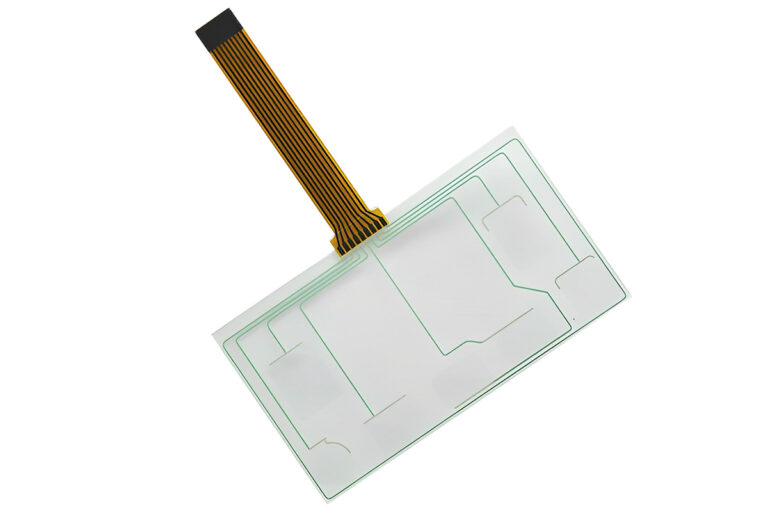
Flexible Capacitive Touch Sensor
Flexible capacitive touch sensors can be constructed using the functional printing process. In this process, the most commonly used sensor structures, interdigitated capacitors (IDCs) are printed on flexible polymers or fabrics.
Flexible Rain Sensor
In the construction of the flexible rain sensor board, narrow strips of conductors are printed on flexible polymers. The flexible sensor board acts as a variable resistor when rain droplets complete the circuits on the board’s printed conductors. The wetter the board the more current that will be conducted.
FLEXIBLE HEATING ELEMENTS
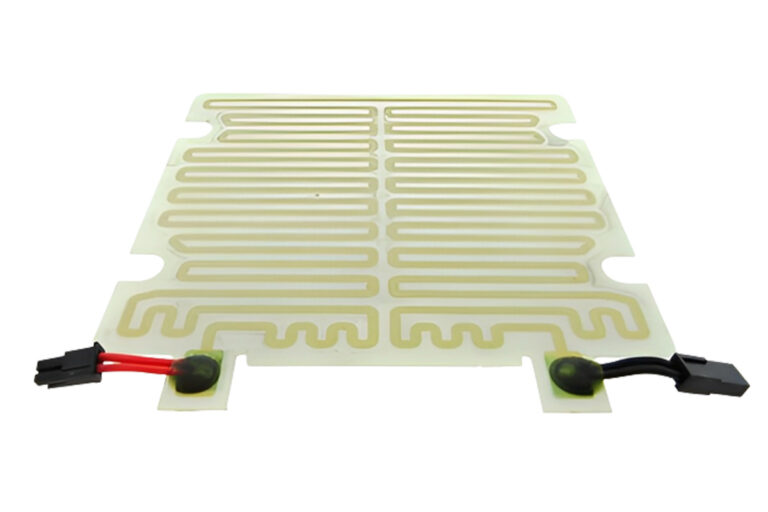
To manufacture flexible printed heating elements, conductive busbars and resistive heating elements are printed on flexible polymers. In this process, electrically resistive inks are used to turn current into heat.